
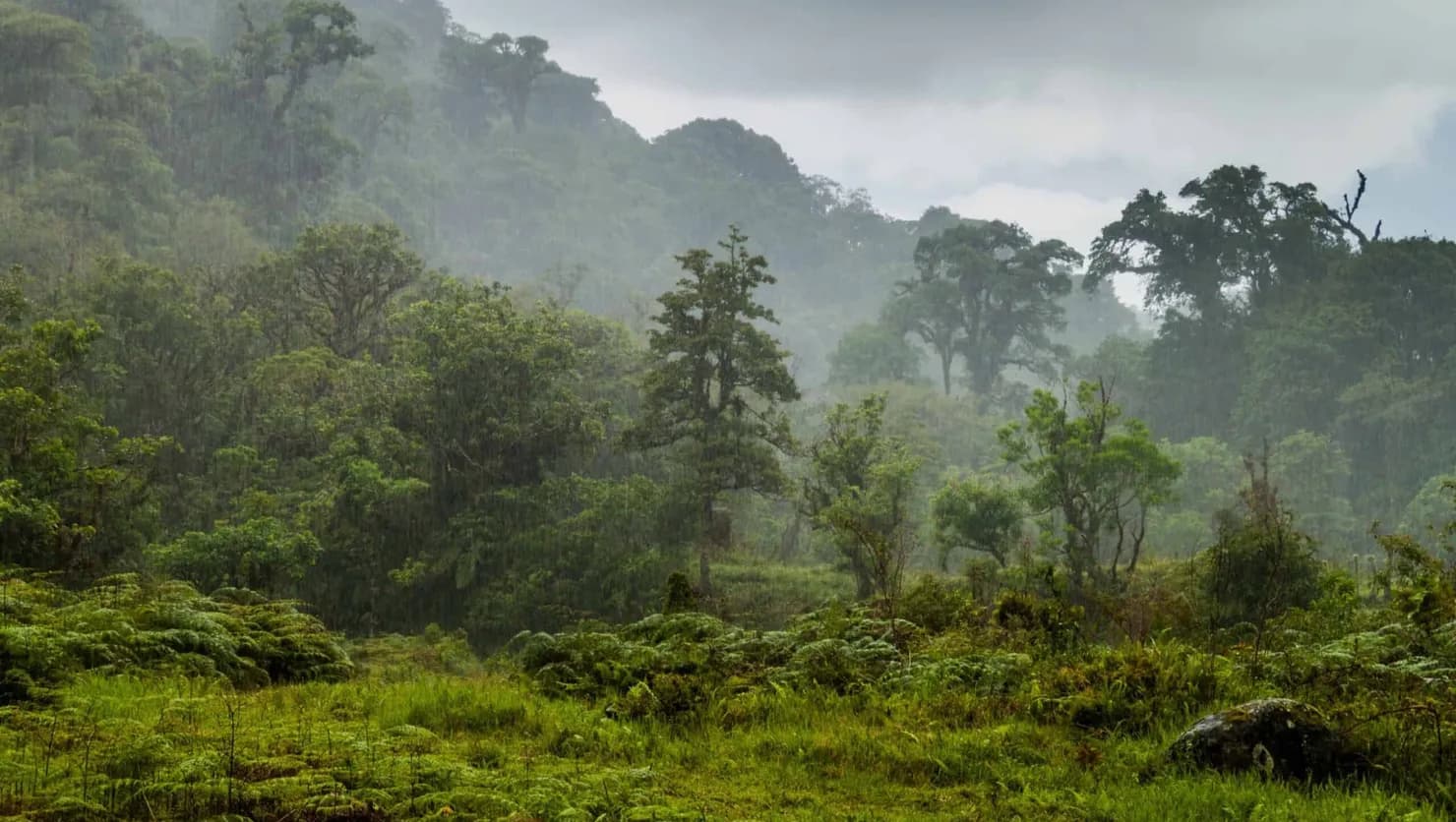
Many travelers see that their trip to Chiriquí falls in the rainy season and decide to wait for the drier months. That’s understandable, but it means missing some of the best things the province has to offer. From humpback whales in the Gulf of Chiriquí to full waterfalls in the highlands, this time of year has a lot going for it. It does change how you should plan your driving, though, and this guide covers what you need to know.
Whale Watching in the Gulf of Chiriquí
Humpback whales travel to Panama’s warm waters to feed, breed, and give birth, which makes the country one of the best places in the world to see them up close. The Gulf of Chiriquí is one of the main viewing areas, and the season runs later than most visitors expect. October is still within the window, so it’s one of your last good chances to see them before they move on.
Boca Chica, on the Gulf, is an easy day trip from David or Boquete. Most tours leave early in the morning, when the water is calmest.
The Highlands in the Rainy Season
The rainy season brings out a different side of the Chiriquí highlands. The coffee farms around Boquete sit under a heavier mist, the waterfalls run fuller, and the mountains turn a deeper green than you’ll see from December through April. If you’ve only seen photos from the dry season, there’s a lot more to discover.
What Changes on the Road
The biggest difference for visitors is on the road. Here’s what to keep in mind when choosing and driving your rental car.
Mountain roads need the right vehicle
Routes toward Cerro Punta, Volcán, and the Los Quetzales Trail can get muddy, slippery, or uneven after heavy rain. A 4x4 makes these drives much more comfortable and a lot less stressful. If you’re staying around David or the center of Boquete, a standard car is still fine. The terrain only changes once you head up into the highlands.
Not every SUV is a 4x4
Many visitors are caught off guard by this. A vehicle can look rugged without having real four-wheel drive. Before you book with any company, confirm exactly what vehicle you’re getting instead of relying on the listing photo.
Check your insurance coverage
Rental car insurance in Panama generally doesn’t cover driving on unpaved roads or crossing rivers. If your plans include anything off the main highway, ask what’s excluded before you sign the rental agreement.
Safety tips for rainy season driving:
- Leave earlier in the day, since afternoon showers tend to be the heaviest.
- Watch for fog and reduced visibility near Cerro Punta.
- Avoid crossing streams or low spots in the road where the water looks higher than usual.
Driving Basics to Know Before You Go
Panama requires third-party liability insurance on all rental vehicles, no matter the season. Make sure it’s included in your rental and active before you drive off.
It’s also worth asking for a full price breakdown when you book. In Panama, the final price at pickup can be much higher than the advertised rate once mandatory insurance and fees are added. Knowing the total upfront helps you avoid surprises at the counter.
Final Thoughts on Visiting Chiriquí in the Rainy Season
Chiriquí doesn’t really have an off-season, just a different one. With whales in the Gulf, mist over the highlands, and waterfalls at full strength, the rainy season is a great time to visit as long as you have the right vehicle and know what to expect on the road.
Already know your travel dates? Reserve a 4x4 built for both highland roads and city driving, delivered to your hotel or the David airport at no extra cost.
Still figuring out your dates? Our free Car Rental Handbook covers insurance, hidden fees, and what you need to know about driving in Panama, so you’re ready whenever the trip comes together.